
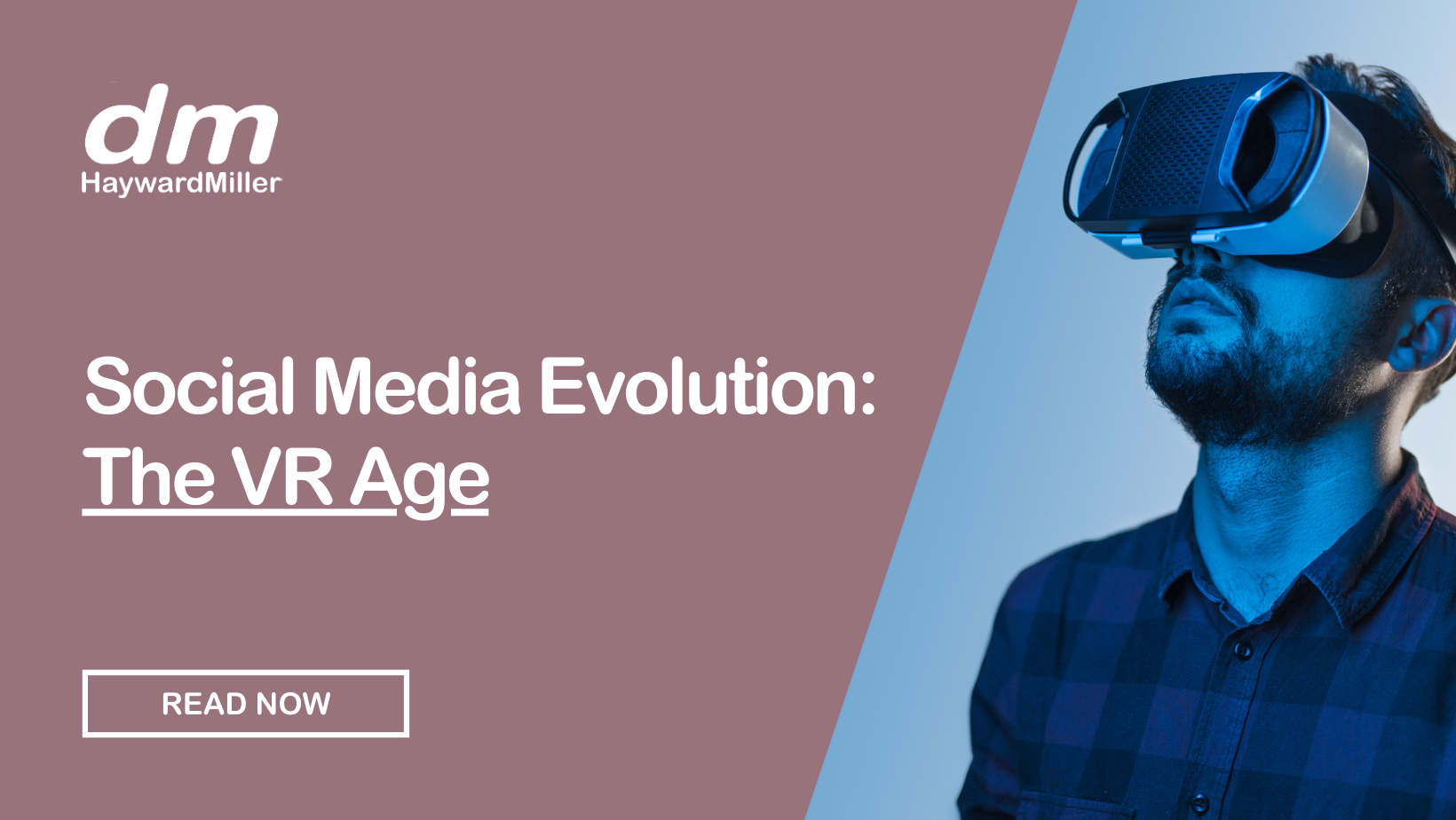
 Download this article as a PDF
My grandmother, who once needed help finding the on switch of a laptop, now comments on my posts faster than I do. That is the thing about social media. It stopped being a young person’s toy a long time ago, and somewhere along the way it swallowed everyone.
Over the last fifteen years it has become a central part of daily life at every age. Teenagers chase the latest trend on TikTok while grandparents keep up with the neighbourhood on Facebook, which at last count reported a staggering 2.89 billion users. The appeal clearly has no ceiling, and it is still climbing.
Staying connected with VR
During the pandemic these platforms became a lifeline, the thread that held families and friends together across distances they could not cross in person. It showed how much we lean on them, and it made one thing obvious. For social media to stay relevant, it has to keep evolving. Standing still is the one thing it cannot do.
Which raises the interesting question: what comes next? We already video call relatives on the other side of the planet, sell a sofa to a stranger through Marketplace and message a restaurant without picking up the phone. So what is left to invent?
A lot of people who watch this closely point to virtual reality. Facebook buying Oculus back in 2014 was the tell, a company placing an early bet on where our attention would go. Years on, the notion of connecting a billion people through VR is no longer far-fetched, and Mark Zuckerberg has staked a great deal on it.
The professional world gives the argument real weight. Video meetings are now a permanent fixture, and with them came a new complaint, Zoom fatigue, the flat and drained feeling of a day spent staring at a grid of faces. VR offers a way out of that grid, a genuine sense of sharing a room with people who are nowhere near you, which after years of restrictions turns out to be worth a lot in business.
The future is virtual
Looking forward, it is hard to see VR staying out of our social and working lives. This is not idle speculation, it is a shift businesses ought to be getting ready for. Social media is already essential to how companies win, as anyone who lives on LinkedIn will tell you, and the move toward VR is the next place to get ahead rather than play catch-up.
We are standing at the front edge of a new era, one built on immersion rather than the flat feed. The businesses and the people who adapt early will define it. The whole point of what is coming is deeper, more meaningful connection, and virtual reality looks set to lead the way. The moment to start paying attention is now, not once everyone else already has.